Africa’s creative economy is rapidly emerging as a driver of growth, innovation, and employment. Across industries such as film, fashion, music, design, and digital content, creative enterprises are generating new economic opportunities and expanding the continent’s global influence.
In Nigeria, the sector is increasingly recognised as a strategic growth area. Government projections suggest the creative economy could contribute up to 2.3% of GDP and create an additional two million jobs by 2030, while already employing an estimated 4.2 million Nigerians. [nairametrics.com]
But as the industry grows, a critical challenge is becoming clear: creative talent alone is not enough.
Many creatives excel at their craft but struggle with the demands of building sustainable businesses. Growing an enterprise requires capabilities that extend beyond technical expertise, including leadership, strategy, financial management, customer engagement, innovation, and organisational growth.
This is particularly true in the interior design industry. Today’s designers must do more than create exceptional spaces. They are also expected to lead teams, manage projects, build client relationships, oversee operations, and drive business growth.
Recognising this need, governments, development partners, and business-support organisations are investing in creative entrepreneurship and leadership development.
The Federal Government’s Investment in Digital and Creative Enterprises (iDICE) programme represents one of the country’s largest investments in the sector. Valued at approximately US$618 million, the initiative aims to strengthen skills development, enterprise growth, innovation, and job creation across Nigeria’s digital and creative industries. [idice.ng], [boi.ng]
Similarly, the British Council has highlighted the need for stronger creative education and skills pathways that combine creative practice with entrepreneurship and business management.
Organisations such as the Enterprise Development Centre, Pan-Atlantic University (EDC) have also expanded programmes focused on entrepreneurial management, business growth, and leadership development, reflecting the growing recognition that enterprise success requires more than technical expertise.
These efforts point to a broader shift in the creative economy: the conversation is moving beyond talent development to enterprise development.
Business education plays a critical role in this transition. By equipping creative professionals with practical tools for leadership, strategy, innovation, and value creation, executive education helps transform creative potential into sustainable business success.
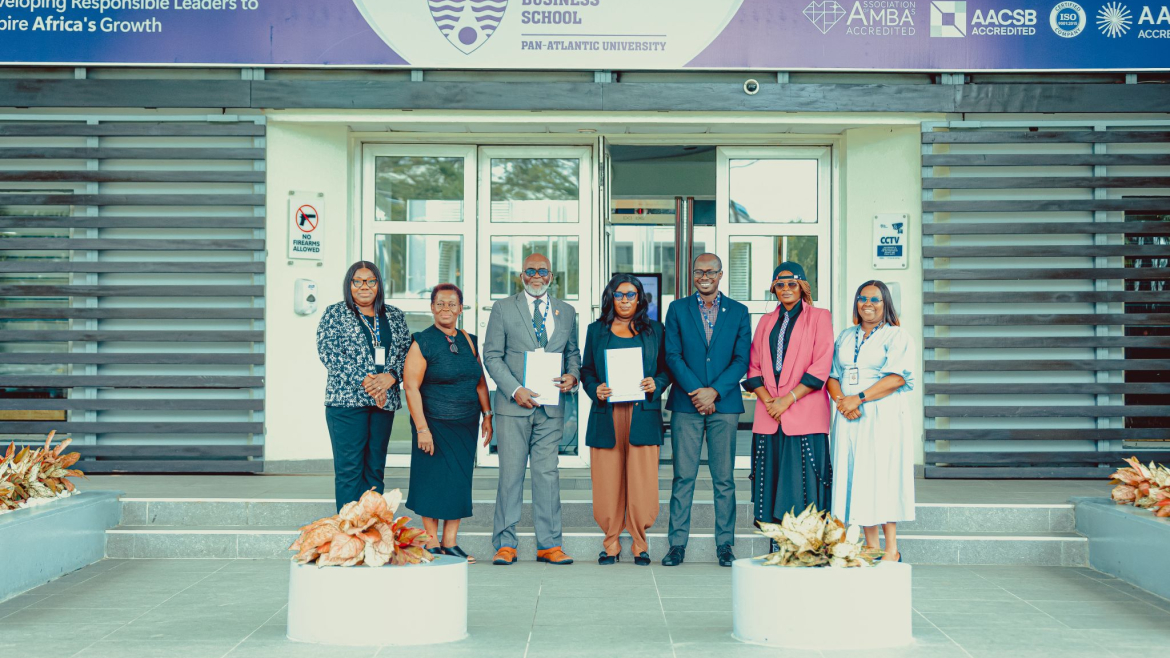
It is against this backdrop that Lagos Business School and Jenniez School of African Interior Design (JSAID) are collaborating to develop executive learning opportunities tailored to interior designers and professionals across the wider creative ecosystem.
By combining Lagos Business School’s expertise in leadership development and executive education with JSAID’s deep industry knowledge, the collaboration will support initiatives such as the Executive Interior Design Business Leadership Programme, which is designed to strengthen participants’ leadership, entrepreneurial, and business management capabilities.
Beyond executive education, the collaboration will also provide opportunities for knowledge exchange, research, masterclasses, design forums, and professional development across Africa’s design ecosystem.
As Africa’s creative economy continues to evolve, success will increasingly depend on the ability to combine creative excellence with business discipline. The future belongs not only to those who can imagine new possibilities, but also to those with the leadership capabilities to turn those possibilities into sustainable impact.