
The Largest Market Most Strategies Miss
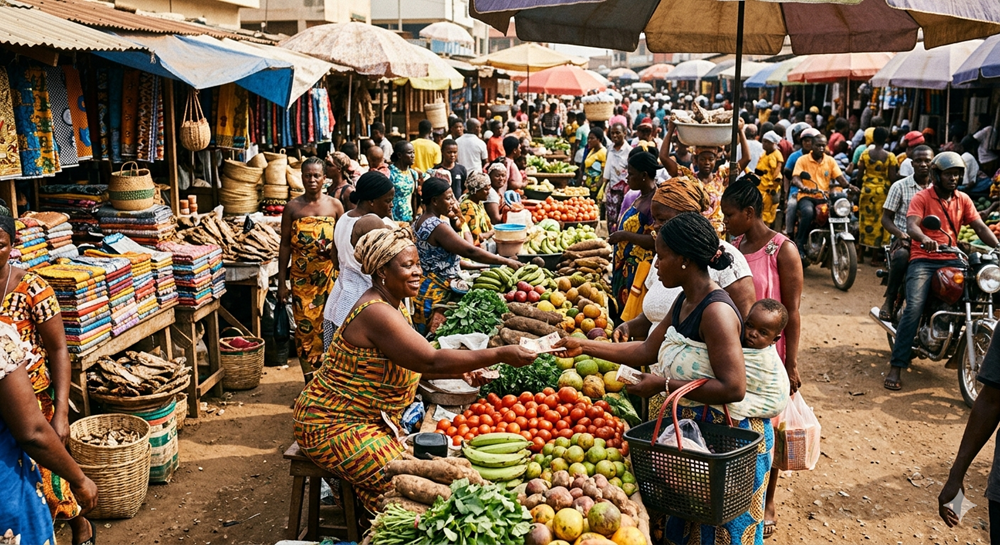
Africa’s informal economy is a dominant channel through which millions of consumers buy, sell, save, borrow, distribute, and conduct business every day. Across the continent, informal enterprises account for the majority of employment and a significant share of economic activity.
Yet many organisations continue to approach these markets using strategies designed for formal economies — struggling with market penetration, distribution efficiency, customer acquisition, retail execution, talent management, and digital adoption.
This programme gives you the frameworks, practitioner insights, and hands-on tools to build strategies that actually succeed.

What You Will Learn
Six Capabilities That Change How You Compete
How Informal Markets Function
Gain a structured understanding of the institutions, networks, incentives, and relationships that shape commercial activity across Africa’s informal economy.
Effective Customer Strategies
Move beyond traditional demographic segmentation to identify customers by livelihood patterns, purchasing behaviour, cash-flow realities, and community dynamics.
Route-to-Market Models
Build distribution and market access strategies that leverage wholesalers, micro-distributors, agents, retailers, and community-based networks.
Retail Execution
Develop practical approaches for increasing visibility, availability, and sales performance across informal retail channels.
Informal Finance Systems
Examine how credit, savings, working capital, trade finance, and embedded financial services operate — and how businesses can engage effectively.
Build & Manage Informal Teams
Design talent, incentive, and workforce strategies suited to agent networks, distributors, field teams, and relationship-driven operating environments.
Programme Structure
Two Days. Nine Modules. One Cohort.
- M1
The Architecture of Informal Markets - M2
Customer Segmentation in Informal Markets - M3
Route-to-Market and Distribution Systems - M4
Financing Informal Markets - M5
Retail Strategy in Informal Contexts
- M6
People and Talent in Informal Markets - M7
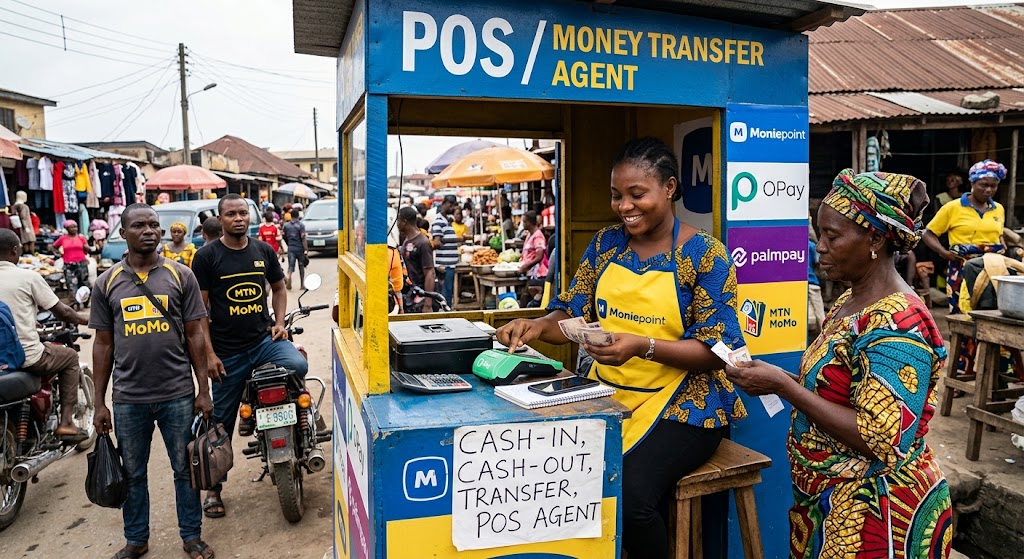
Digital and Fintech in Informal Markets - M8
Capstone Work Session - M9
Practitioner Roundtable
Capstone PresentationsParticipants complete a hands-on capstone project integrating frameworks from both days, followed by a structured practitioner roundtable that connects insights directly to real market challenges.
Faculty & Practitioners
Led by Those Who’ve Done It

Opeyemi Agbaje
Chairman, National Pension Commission
Practitioner
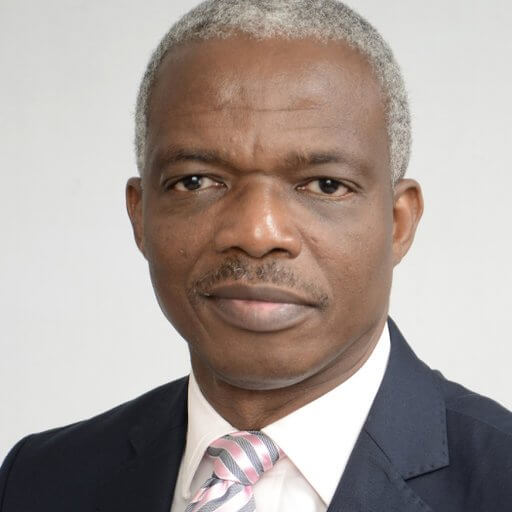
Dr Doyin Salami
Senior Lecturer, Lagos Business School
Faculty

Prof Uchenna Uzo
Academic Director, Africa Retail Academy, LBS
Faculty
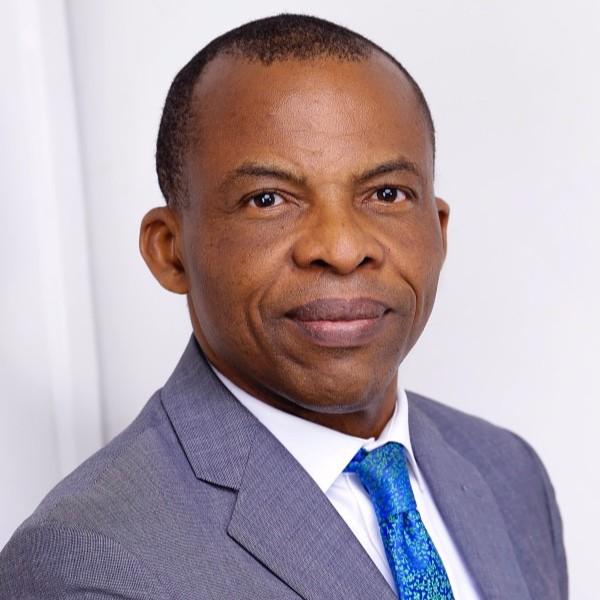
Chidi Okoro
Alternate Academic Director, Africa Retail Academy, LBS
Faculty

Ifeanyi Duru
Senior VP, Enterprise Sales & Partnerships, Moniepoint
Practitioner

Belinda Nwosu
Academic Director, Hospitality Initiative, Lagos Business School
Faculty
Jubril Salaudeen
Adjunct Faculty, Lagos Business School
Faculty
Ready to Compete in Africa’s Most Important Markets?
Join a select cohort of executives, entrepreneurs, policymakers, investors, and business leaders building sustainable advantage in the informal economy. Applications are now open.