How can better data unlock investment, strengthen food systems, and improve agricultural outcomes in Nigeria?
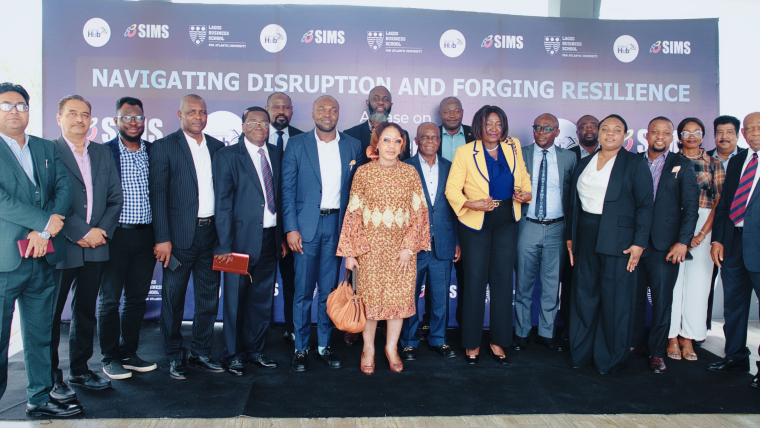
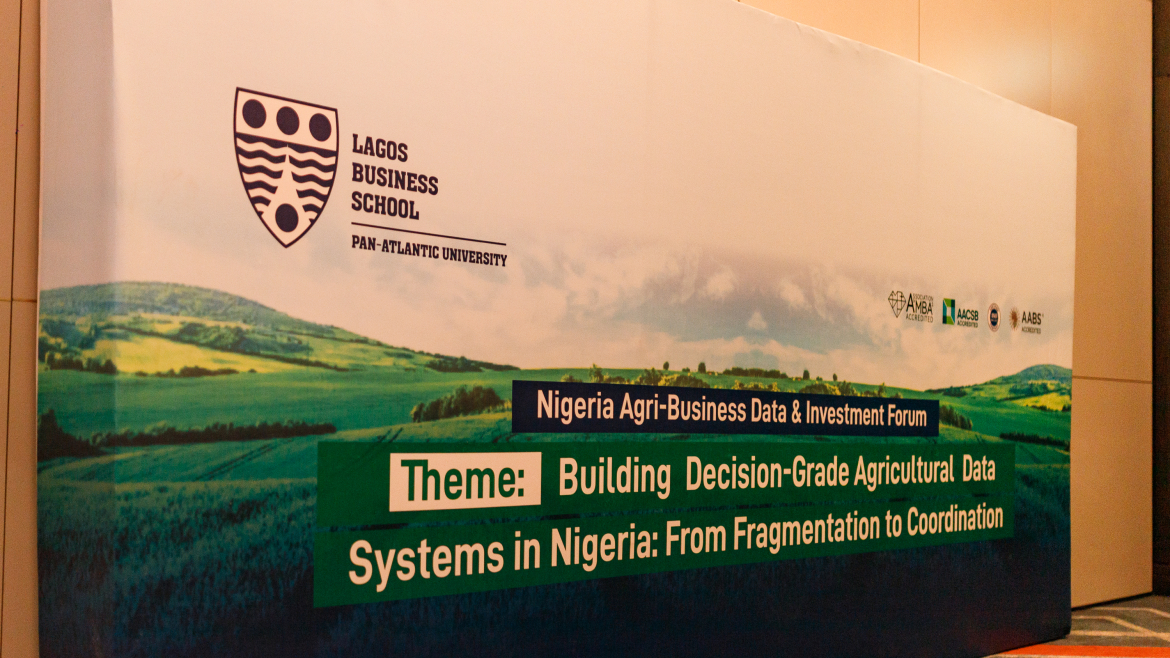
This question sat at the heart of the Agribusiness Data & Investment Forum, convened by Lagos Business School, Pan-Atlantic University (LBS) under the Nigeria Agribusiness Data & Investment Hub (NADIH) initiative. Bringing together stakeholders from government, agribusiness, finance, development, technology, research, and data ecosystems, the forum explored how a stronger agricultural intelligence infrastructure can support more informed investment decisions, enable ecosystem coordination, and improve policy planning.
A central theme throughout the discussions was that data is no longer a supporting tool for agricultural development but a foundational infrastructure. Participants highlighted how persistent gaps in agricultural data continue to create uncertainty for farmers, investors, policymakers, and other ecosystem actors.
Opening the forum, Professor Olayinka David-West, Dean of Lagos Business School, highlighted the challenge facing investors and decision-makers in navigating Nigeria’s agricultural landscape without sufficient nationally representative data. She explained that while data exists across different institutions and platforms, gaps in quality, coverage, accessibility, and interoperability often limit its usefulness for real-time decision-making.
She reiterated the role of the Nigeria Agribusiness Data & Investment Hub as a platform designed to coordinate and aggregate existing data assets rather than recreate them. By strengthening data quality, encouraging sharing, and promoting collaborative governance models, the initiative seeks to build an ecosystem where data can be more effectively translated into action.
A key highlight of the forum was the presentation of Nigeria’s Agricultural Data Landscape Report, a comprehensive diagnostic of the country’s agricultural data ecosystem. The report identifies persistent gaps in the availability, accessibility, and quality of decision-grade data as a major constraint to investment, policy effectiveness, and ecosystem coordination. Its findings reinforce the need for stronger data infrastructure, improved interoperability across data systems, and closer collaboration among stakeholders to ensure that critical decisions across the agricultural value chain are grounded in reliable evidence.
In her remarks, Lagos State Commissioner for Agriculture and Food Systems, Abisola Olusanya, underscored the far-reaching consequences of operating without reliable information. She noted that incomplete data often forces stakeholders across the value chain to rely on assumptions, limiting productivity and investment while increasing risks throughout the system.
“When farmers lack reliable information on market demand and pricing, production becomes an educated guess. When investors lack credible data, capital becomes cautious, and opportunities remain underfunded,” she said.
The discussions emphasised that the effects of poor visibility extend beyond producers and investors. Inefficiencies accumulate across the value chain, ultimately affecting food affordability, market stability, and food security outcomes for consumers.
The forum also showcased practical examples of how robust data systems can drive better outcomes. Sharing insights from Kaduna State’s 2025 agricultural survey, Kaduna State Statistician General Baba Bukar demonstrated how sub-national data can help identify critical challenges and improve resource allocation. Findings from the survey revealed the significant contribution of agriculture to the state’s economy, while also highlighting structural constraints facing farmers, including limited access to extension services and continued dependence on rain-fed agriculture.
The survey’s ability to pinpoint localised food security challenges reinforced a key message from the forum: data enables interventions to be directed where they are needed most, improving both effectiveness and accountability.
Participants further explored lessons from international experiences. Presenting on the future of agricultural intelligence systems, Augmentum Advisory Project Lead, Femi Williamson-Taylor, highlighted examples from countries that have successfully developed integrated agricultural data ecosystems. He stressed that building similar capabilities in Nigeria will require collective action, shared standards, and sustained collaboration across public and private sectors.
This need for collaboration resonated throughout the event. Representatives from government agencies, including the Federal Ministry of Livestock Development, shared ongoing efforts to strengthen sector-wide information systems while acknowledging challenges related to data fragmentation, utilisation, and interoperability.
Across the conversations, there was a broad consensus that improving agricultural outcomes in Nigeria requires more than generating new datasets. It requires building trusted systems that connect existing information, improve access, encourage responsible sharing, and support evidence-based decisions at every level of the ecosystem.
As the Nigeria Agribusiness Data & Investment Hub continues its ecosystem diagnostics and stakeholder engagement efforts, the forum reinforced a shared ambition: to build a more connected, transparent, and investment-ready agricultural sector powered by better intelligence, stronger partnerships, and a commitment to data-driven development.