

Lagos Business School recently hosted the formal launch of its latest case study, “Vanguard Pharmacy: Reimagining Community Healthcare in Nigeria’s Fragmented Market”, an event that brought together academics, healthcare practitioners, business leaders, and strategic thinkers for a morning of candid conversation, sharp insights, and genuine inspiration.
The event was more than a Case launch. It was a masterclass in what it means to build a business with purpose in one of Africa’s most complex and dynamic markets. At its centre was the extraordinary journey of Vanguard Pharmacy Limited, a company that began in a 30-square-metre space with three people and a handful of shelves, and grew into one of Nigeria’s most respected community pharmacy chains.
This case study is part of LBS’s deliberate and ongoing commitment to developing local content that reflects the realities of doing business in Nigeria and across Africa, content that is academically rigorous, contextually relevant, and practically useful for tomorrow’s leaders.
The Mission Behind Local Case Studies
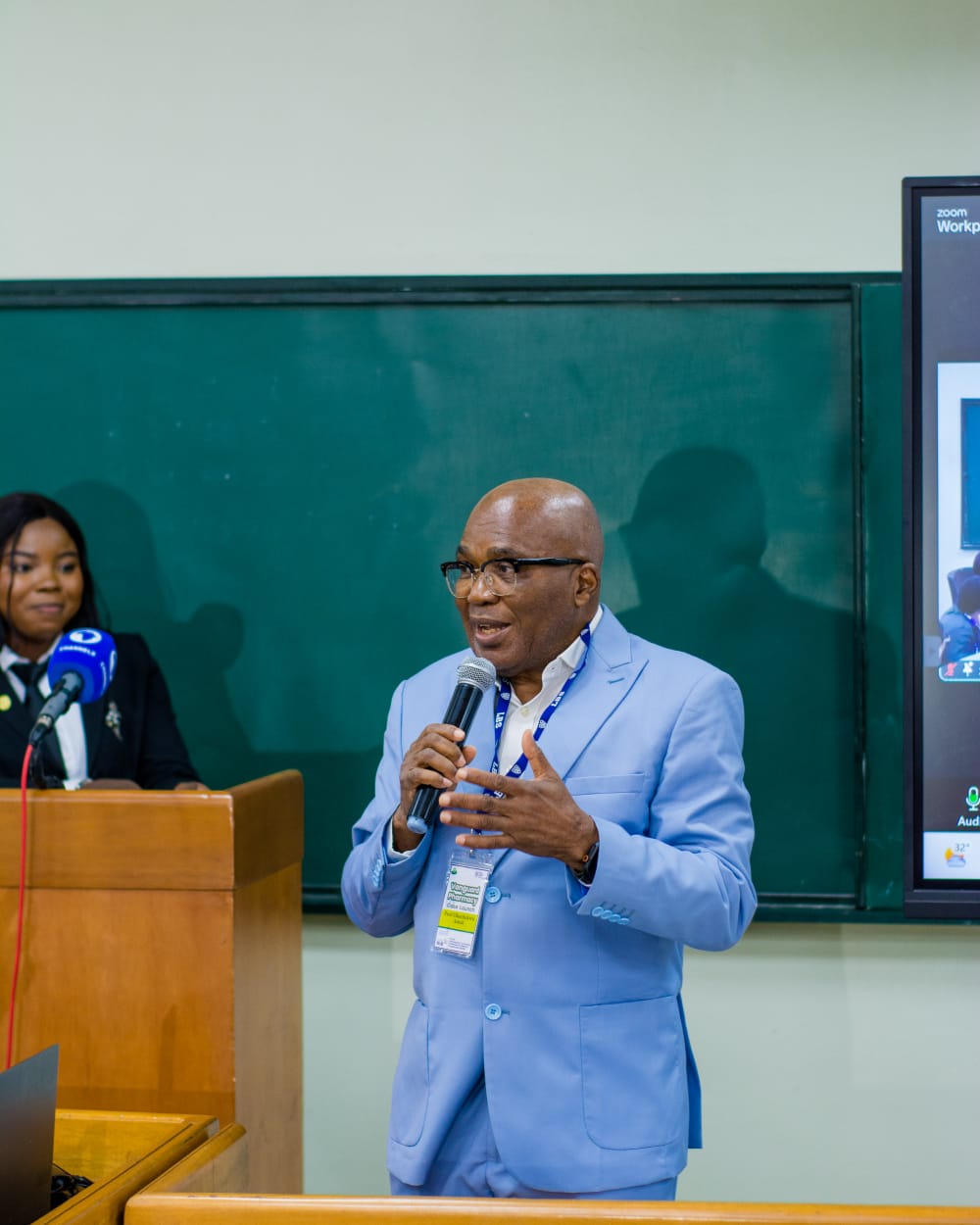 Prof. Okechukwu Amah, Professor of Organisational Behaviour at Lagos Business School, opened the event with a welcome address that framed the significance of the day far beyond the pharmacy sector.
He began by thanking the management and staff of Vanguard Pharmacy for not only allowing LBS to document their story, but for agreeing to tell it in full the successes, the mistakes, and the lessons learned along the way.
“If you are not willing to tell the ugly story, then we are not willing to tell that story at all,” Prof. Amah said, underscoring LBS’s commitment to authentic, unvarnished storytelling that serves as genuine learning material for students and executives alike.
He went on to explain the broader strategic rationale for developing locally anchored case studies. When LBS was founded, the ratio of local to foreign case content was approximately 10:90, meaning the vast majority of learning material was drawn from the American and Western business experience. That imbalance, he noted, undermined the school’s core mission: to influence management in Nigeria, Africa, and the world.
“If we are going to influence management in Africa, we will use stories about these places to channel the influence,” Prof. Amah explained.
Beyond the educational value, developing local case studies also carries a significant economic benefit. International case content, purchased in foreign currency, represents a substantial cost to the school. Every local case study developed reduces that cost, making quality management education more accessible and sustainable.
Prof. Amah closed his remarks by expressing gratitude to the case study team led by Professor Louis Nzegwu, and supported by Mr Segun Jones, Grace Oyetola, and the wider research team for the depth and quality of their work. He also invited other Nigerian and African organisations to consider opening their doors to LBS researchers, so their stories too can contribute to the growing canon of African business knowledge.
Leadership at the Crossroads
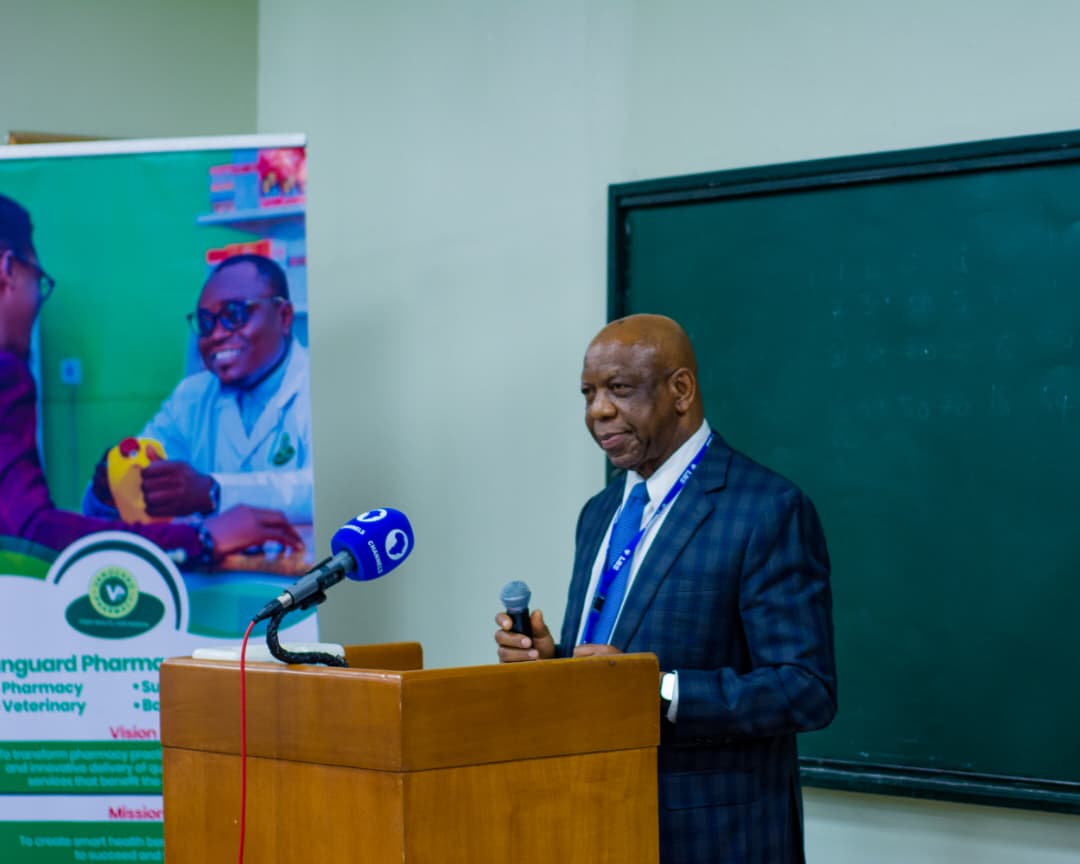 Professor Louis Nzegwu, in his opening remarks, commended LBS for its dual commitment to global academic rigour and deep local relevance, a balance that, he argued, is exactly what defines a world-class business school operating on African soil.
“Case studies like this serve an essential purpose: they do more than tell business stories. They capture the reality of leadership in an environment where uncertainty is high, resources are constrained, and the stakes are significant,” Prof. Nzegwu said.
He described the Vanguard Pharmacy story as one that resonates powerfully with the Nigerian and broader African business landscape across three dimensions:
Vision: the ability to see opportunity where others see only limitation.
Resilience: the capacity to build and grow within a fragmented and often challenging market.
Strategic Evolution: the discipline to continuously adapt to shifting customer needs and competitive pressures.
What struck Prof. Nzegwu most about Vanguard’s approach was its deliberate attempt to redefine the role of a community pharmacy, integrating healthcare delivery with retail convenience, and positioning itself closer to the customer’s everyday life.
“Innovation does not always come from technology alone; it often comes from a deeper understanding of people and context,” he observed.
However, he was also careful to note that past success does not eliminate future uncertainty. Vanguard now stands at a critical strategic crossroads, facing decisions about geographic expansion, digital investment, or operational consolidation that are not merely operational choices but consequential strategic bets.
The questions this case raises, he concluded, go beyond Vanguard Pharmacy itself:
- How do we decide where to play?
- How do we allocate limited resources in the face of competing priorities?
- How do we balance ambition with sustainability?
The Vanguard Story: From 30 Square Metres to a National Healthcare Brand
 Vanguard Pharmacy was founded in 2006. At inception, the company operated from a 30-square-metre space, staffed by the founder, Pharm. Taofik Odukoya, his wife, and a single associate. Stock was limited. In the early days, the team famously used Vitamin C tablets to fill empty shelves, creating the appearance of a fully stocked pharmacy while the business found its footing.
That image of a founder filling gaps with what he had is perhaps the most honest metaphor for entrepreneurship in Nigeria’s resource-constrained environment.
The Turning Point: From Operator to Architect
A defining moment came in 2015, nearly a decade into the business. Odukoya realised that the company had reached a ceiling not because of market limitations, but because of a fundamental leadership challenge: he was still working in the business rather than working on the business.
This distinction between being a daily operator and becoming a strategic architect marks the difference between a founder-dependent enterprise and a scalable institution. It was the shift that made everything else possible.
Understanding the Market: Nigeria’s Fragmented Healthcare Reality
Before building the strategy, Vanguard’s leadership undertook a clear-eyed assessment of the Nigerian healthcare landscape. What they identified was a market defined by four systemic weaknesses:
- Low Standards of Practice — a general absence of professional standards across many healthcare facilities.
- Weak Regulation — historically, few pharmacies had a licensed pharmacist on duty at all times.
- Trust Deficit — patients routinely doubted the quality and authenticity of medications they were purchasing.
- Poor Technology Adoption — limited use of data, systems, or technology to manage patient care and inventory effectively.
These were not just market gaps. They were an invitation to any organisation disciplined and visionary enough to respond to build something fundamentally different.
The Strategy: The PARC Model
 To achieve consistency, quality, and scale across all branches without losing the personal care that community healthcare demands, Vanguard developed and institutionalised the PARC Model, a four-pillar operational framework:
P — People: Investing in the right talent and creating an environment where staff are valued, developed, and retained.
A — Architecture: Designing physical spaces that deliver a consistent, high-quality customer experience across every branch, regardless of location.
R — Routine: Building the systems, processes, and workflows that allow the business to operate smoothly and reliably even without the founder’s constant presence.
C — Culture: Creating an intentional organisational culture that places patient care, trust, and integrity at the centre of every interaction.
The PARC Model is a reminder that scaling a business is not simply about opening more outlets. It is about creating the internal infrastructure that makes consistent excellence repeatable.
Core Pillars of Vanguard’s Success
Beyond the operational model, Odukoya identified several foundational commitments that have driven Vanguard’s growth:
Trust as a Product Vanguard was not built simply to sell drugs. It was built to fix trust in the healthcare system to become the pharmacy that patients could rely on for genuine products, professional advice, and ethical practice. In a market defined by doubt, trust itself is a competitive advantage.
Corporate Governance and Financial Discipline Odukoya stated with particular emphasis that in over 20 years of operations, he has never transferred company funds into a personal account. This level of financial discipline — rare and remarkable in any market has been foundational to the institution’s credibility with staff, partners, and patients alike.
Investment in Continuous Learning The CEO credits much of the company’s growth to a deliberate commitment to education. This includes participation in executive programmes at Lagos Business School — an investment, he argues, that paid returns far beyond its cost.
Process-Driven, Data-Informed Operations Vanguard now uses retail technology to track and analyse over 2 million patient visits annually (as of 2025/2026). This data infrastructure is not only operationally useful, it is the foundation for the company’s next phase of growth.
The Case Study Deep Dive: Key Performance Metrics and Strategic Insights
 Prof. Louis Nzegwu presented a detailed mini-review of the case study, offering a data-rich portrait of Vanguard’s competitive positioning.
The “One-Stop-Shop” Model
Unlike the standard independent pharmacy in Nigeria, Vanguard operates on a diversified retail model inspired, in part, by South African “Clicks” pharmacy-retail formats. The company has expanded well beyond medicine dispensing to create an integrated healthcare and lifestyle ecosystem under one roof:
- Pharmacy & Supermarket — combining health and daily household needs.
- Veterinary Services — a unique and differentiating addition to the pharmacy retail space.
- Bakery & Vaccination Services — further increasing foot traffic, visit frequency, and the overall basket size of each customer interaction.
This integration is deliberate. Non-pharmacy services are not distractions; they are traffic generators that bring customers into the space and increase the overall value of each visit.
A customer retention rate of 75%, against an industry average of approximately 33%, is not a marginal advantage. It is a structural competitive moat one built not through discounting or promotions, but through trust, convenience, and consistently excellent service.
Differentiation vs. Scale: Vanguard’s Competitive Philosophy
Vanguard’s strategic choice is philosophically distinct from its larger competitors. While Medplus operates approximately 45 outlets and Healthplus approximately 35, Vanguard manages 12 locations across Ibadan, Abeokuta, Ilorin, and Osogbo.
This is not a story of a company that hasn’t grown fast enough. It is a story of a company that has chosen depth over breadth, building defensible customer relationships in communities where it is known, trusted, and embedded.
As Prof. Nzegwu summarised: “Bigger markets do not guarantee better returns… and bigger growth does not imply higher profitability.”
Management Decisions: The Strategic Crossroads
The case study culminates in a set of genuinely difficult strategic questions that Vanguard’s board must now answer, which carry lessons for any business leader navigating growth and competition:
The Lagos Dilemma
Should Vanguard invest in aggressive expansion into the Lagos market, Nigeria’s largest and most competitive commercial hub, accepting higher risk, higher costs, and a fundamentally altered operational profile in exchange for access to a vastly larger customer base?
Digital Transformation
With 90% of customers already engaging with the brand via WhatsApp, the transition to a formal digital platform, including mobile delivery and an integrated online presence, represents a natural evolution. But digital investment at scale requires capital, expertise, and organisational change. Is Vanguard ready?
Consolidation
Is the most prudent path to strengthen and deepen what already works, improving existing operations, expanding data capabilities, and fortifying community relationships before taking on the complexity and cost of new markets?
Hard Truths for African Business Leaders
Prof. Nzegwu distilled several “hard truths” from the Vanguard experience that apply far beyond the pharmacy sector:
Market Share ≠ Profit: Chasing market share often erodes margins. Customer satisfaction and retention are more reliable and sustainable drivers of profitability.
Geographic Expansion is Costly: Entering new territories fundamentally alters an organisation’s cost structure, risk profile, and management demands. It must be approached with clear-eyed analysis, not ambition alone.
Integration Creates Value: Non-core services like a bakery or veterinary clinic are not diversions. They are mechanisms for increasing total customer value for “bulking up the basket” on every visit.
Digital is Not Optional: With 90% of customers already on WhatsApp, digital engagement is not a future opportunity. It is a present expectation. The question is not whether to go digital, but how and when.
The Pharmacy as the Frontline of Care
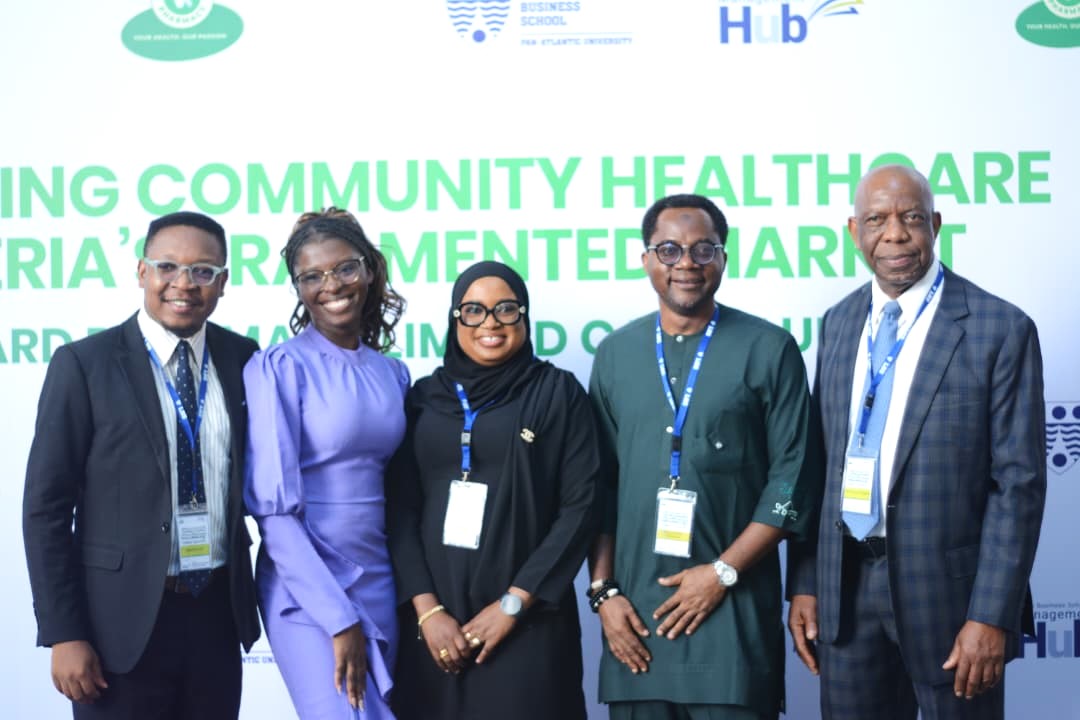
The case launch included a rich panel discussion under the theme “Reimagining Community Healthcare in Nigeria: The Pharmacy as the Frontline of Care,” moderated by Chidi Okoro.
Panellists included:
- Mrs Kawthar Odukoya, Executive Director, Vanguard Pharmacy
- Dr Flora Mbeledeogu, Founder & CEO, Made in Africa Brand Ambassador
- Dr Oliver Nnona, Faculty & Senior Research Fellow, LBS
- Dr Tunde Salako, Co-founder, Hadiel Health
The panel brought multiple perspectives to bear on the role of the community pharmacy in Nigeria’s healthcare architecture — exploring how pharmacies can serve not merely as drug dispensaries but as genuine primary healthcare touchpoints for millions of Nigerians who lack consistent access to hospitals and clinics.
Formal Unveiling and Closing
 The case was formally unveiled by Mr Segun Jones, Lead of the Management Hub at LBS. The original copy of the published case was presented to the Vanguard Pharmacy team by Prof. Louis Nzegwu — a symbolic and meaningful moment marking the completion of a collaborative journey between institution and organisation.
In his closing remarks, Prof. Nzegwu thanked all stakeholders who made the day possible — from LBS academic members who brought intellectual rigour to the proceedings, to the distinguished guests and members of the public whose participation enriched the discourse.
The event was anchored by Blessing Oduniyi, Associate, Partner Engagement & Communications, LBS Sustainability Centre, and Grace Oyetola.
What the Vanguard Story Teaches Us
The Vanguard Pharmacy case study is not simply a business school exercise. It is a living document of what is possible when an African entrepreneur commits with discipline, humility, and long-term thinking to building something that genuinely serves their community.
It teaches us that trust is not soft; it is strategic. That data is not just technology; it is intelligence. That culture is not decoration; it is infrastructure. And that the most sustainable businesses are not always the biggest ones. They are the most beloved.
For business leaders, students, and policymakers across Nigeria and Africa, the questions this case raises are not merely academic. They are urgent, practical, and profoundly relevant.
Lagos Business School is committed to developing the next generation of African business leaders through world-class research, teaching, and executive education. For more information about LBS case studies and programmes, visit LBS Management Hub